
 Send Inquiry
 Send Inquiry
Dam with Dynamo Agriculture working model labcare
Dam with Dynamo Agriculture working model labcare Specification
- Size
- Medium Scale Model
- Style
- Educational Working Model
- Model No
- Labcare-DA-01
- Weight
- Approx. 1.8 kg
- Features
- Functional dam gate, working dynamo, water reservoir, mini irrigation fields
- Power Type
- Manual (Hand-cranked Dynamo)
- Use
- School & College Science Lab Demonstration
- Assembly
- Pre-assembled, ready to use
- Surface Finish
- Glossy Painted and Smooth Edges
- Type
- Dynamo Dam Model
- Material
- High-quality Acrylic, Plastic, and Metal
- Dimensions
- Approx. 60 cm x 35 cm x 18 cm
- Shape
- Rectangular Base with Integrated Components
- Color
- Multicolor
- Function
- Shows water flow, power generation, and agricultural irrigation
- Age
- 8 years & above
- Advantage
- Hands-on demonstration of power generation and irrigation
- Accessories Included
- Water scoop, instruction manual
- Safety
- Child-safe components and design
- Visualization
- Clear demonstration of water to electricity conversion
- Maintenance
- Low maintenance, washable parts
- Dynamo Output Voltage
- Up to 3 Volts (approx.)
- Packaging
- Single piece in a sturdy cardboard box
- Demo Capability
- Capable of simultaneous water flow & electric generation demonstration
- Mobility
- Portable, suitable for classroom use
- Educational Value
- Illustrates the linkage between water resource management and alternative energy
- Water Reservoir Capacity
- Up to 500 ml
- Application
- STEM education, practical science activities
- Operation
- Simple hand-crank mechanism for power demonstration
- Agricultural Display
- Includes simulated crop plots
Dam with Dynamo Agriculture working model labcare Trade Information
- FOB Port
- MUMBAI
- Payment Terms
- Cash Against Delivery (CAD), Cash on Delivery (COD), Letter of Credit (L/C), Letter of Credit at Sight (Sight L/C), Telegraphic Transfer (T/T), Western Union, Paypal, Delivery Point (DP), Days after Acceptance (DA), Cash in Advance (CID), Cheque, Cash Advance (CA)
- Supply Ability
- 50 Per Week
- Delivery Time
- 1 Week
- Sample Available
- Yes
- Sample Policy
- Sample costs shipping and taxes has to be paid by the buyer
- Packaging Details
- card board packing
- Main Export Market(s)
- Western Europe, Asia, Australia, North America, South America, Eastern Europe, Middle East, Africa, Central America
- Main Domestic Market
- All India
- Certifications
- ISO Certified product
Dam with Dynamo Agriculture working model labcare About
Our products are already matchless in the industry due to continuous improvement in quality & workmanship. our innovative nature plays a vital role to improve the things. we also keep improving the quality in tune with the latest development in the international market. We look forward to your queries and assure you for a prompt response
Integrated Demonstration of Water and Energy
This working model effectively demonstrates the relationship between water resource management and renewable energy generation. Students can observe the conversion of water flow into electrical energy and its application in simulated agricultural irrigation, making abstract concepts tangible and engaging in the classroom setting.
Child-Safe & Durable Design
Made from high-quality acrylic, plastic, and metal, this model prioritizes safety with smooth edges and sturdy construction. All components are washable and easy to maintain, ensuring longevity for repeated use in schools and colleges. The units pre-assembled form allows for immediate operation without additional setup.
Efficient and Portable for Practical Learning
Portability and medium size allow teachers to use this model conveniently across classrooms. Its easy-to-use hand-crank mechanism and clear instruction manual enable hassle-free demonstrations. The durable packaging protects the model during transport, and its robust build supports frequent STEM activities.
FAQs of Dam with Dynamo Agriculture working model labcare:
Q: How does the Dam with Dynamo Agriculture Working Model demonstrate water to electricity conversion?
A: The model uses a hand-crank dynamo powered by water released through a functional dam gate. As water flows, it activates the dynamo, visibly generating up to approximately 3 volts of electricity, which can then be applied to the simulated agricultural plots for irrigation.Q: What age group and educational level is this model suitable for?
A: Designed for students aged 8 years and above, the model is ideal for science demonstrations in school and college laboratories, supporting STEM education through hands-on activities.Q: Where can this model be used most effectively?
A: The model is best utilized in science classrooms, laboratories, STEM workshops, and exhibition settings where students can actively participate in practical demonstrations of water management and renewable energy concepts.Q: What accessories are included with the model for operation and teaching?
A: The product comes with a water scoop and a detailed instruction manual, ensuring easy setup and operation. All necessary components are pre-assembled and securely packaged in a sturdy cardboard box for safe transport.Q: How is the demonstration process conducted using this model?
A: To start, fill the reservoir with water and use the hand-crank to operate the dam gate and dynamo. This releases water over the simulated crop fields while simultaneously generating electricity, allowing students to observe both irrigation and power generation in one hands-on activity.Q: What are the maintenance requirements for the model?
A: Maintenance is minimal due to its robust construction and washable parts. Simply clean the acrylic, plastic, and metal components after demonstrations to keep the model in optimal condition.Q: What are the primary educational benefits of using this model?
A: Students gain a clearer understanding of sustainable water resource management and alternative energy generation through interactive, real-world demonstrations. The model also fosters critical thinking and encourages inquiry-based STEM learning.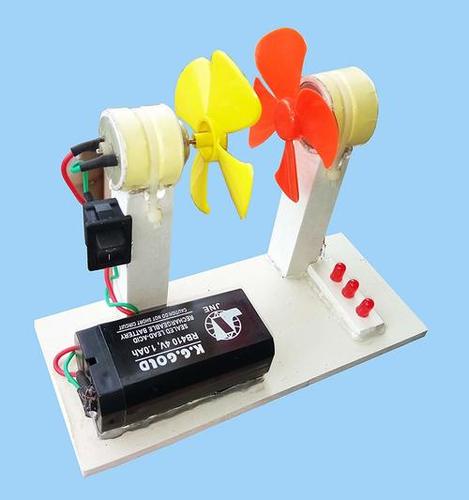

Price:
- 50
- 100
- 200
- 250
- 500
- 1000+

More Products in EDUCATIONAL WORKING MODELS Category
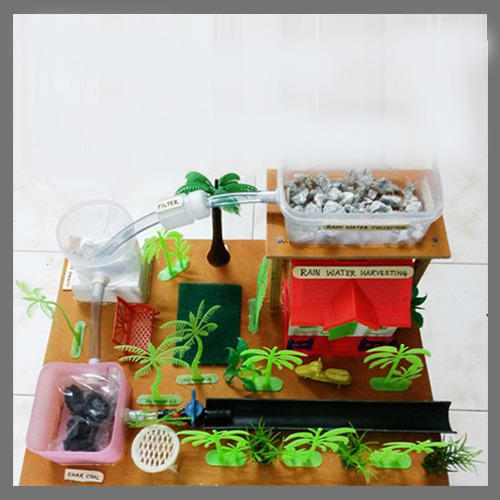
Rain water harvesting ( showing pipe on roof) model
Use : Demonstration and education of rainwater harvesting system
Age : Recommended for 8 years and above
Color : Multiple (white base, blue tank, colored roof & pipe)
Style : Educational working model
Features : Detachable roof, visible flow channels, real working pipe system, easytounderstand layout
Assembly : Semiassembled; minimal setup required
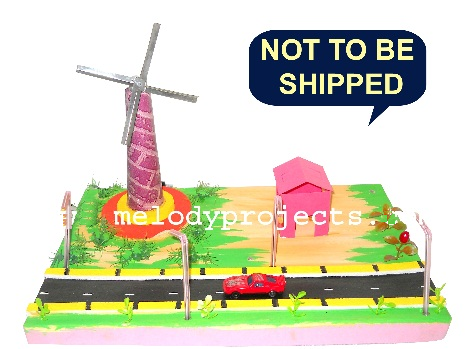
Windwill working model labcare
Use : Teaching & Learning of Windmill Working Principle
Age : 8 Years & Above
Color : Green & White
Style : Educational Demonstration Model
Features : Easy to assemble, robust design, visual demonstration
Assembly : Kit format, with instruction manual
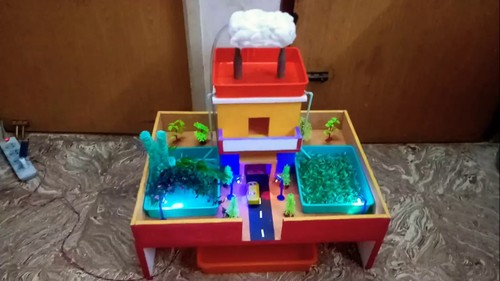
Rain water harvesting (natural rain form clouds) model
Use : Demonstrating rain water harvesting process
Age : Suitable for students aged 10 years & above
Color : Multicolor (Blue, White, Green, Grey)
Style : Architectural Educational Model
Features : Demonstrates cloud formation, rainfall, collection tanks, and filtration
Assembly : Preassembled, ready to use
Windwill with Dynamo working model labcare
Use : Demonstration of Wind Energy, School & College Lab
Age : 12+ Years
Color : White Base with Blue & Metallic Parts
Style : Educational Working Model
Features : Manual Wind Generator, LED Output Indicator, Robust Construction
Assembly : PreAssembled

GOVT. APPROVED MANUFACTURER, SUPPLIER AND EXPORTER
 Send Inquiry
Our Products
- Laboratory Microscope
- Hospital Furnitures
- Pharmacy Instruments
- COVID-19 SAFETY EQUIPMENTS
- Physical Instruments
- Laboratory Glasswere
- Anatomical Models
- Laboratory Glassware
- MIDWIFERY & CHILD HEALTH CARE SECTION
- Unique Products
- Chemistry Lab Equipment
- Scientific Instrument
- scientific laboratory instruments
- Physics equipments
- Hospital Equipments
- Educational Equipments kits
- ANALOG LAB TRANING MODULES
- Engineering Models & Equipments.
- Scientific Instruments
- Math catalogue Math items
- Building Furniture for School, Collegs & Office
- EDUCATIONAL WORKING MODELS
- AGRICULTURE EQUIPMENTS
- GEOGRAPHY EQUIPMENTS SECTION
- Disposible items
- The Survey Engineering Equipments Section
- Nursing College Equipments
- Fluid Machnical Lab Equipmens Labcare-Online
- Heat Transfer Lab Appartus Labcare-Online
- Labcare Entomological Equipments.
- Science and Security Equipments
- Defence Utility Equipment
- Office Equipment
- Sanitary Napkins and Diapers
- I.T.I Tools and Machines
- SCIENCE LAB EQUIPMENT
- LABTRONIKS SPECTROPHOTOMETERS
- Nebulizers
- LABTRONIKS


 Send Inquiry
 Send SMS
Developed and Managed by Infocom Network Private Limited.
